
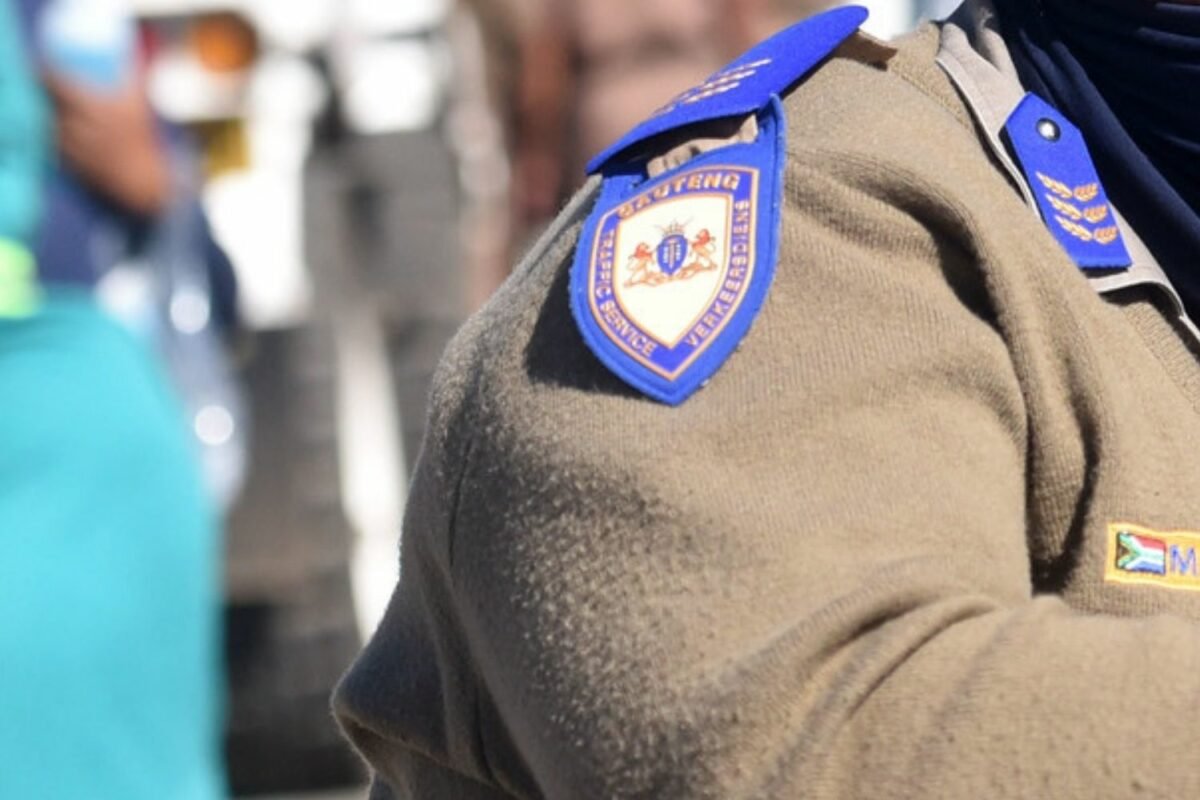
How to Become a Traffic Officer in South Africa in 2026 – Complete Career Guide
How to Become a Traffic Officer in South Africa in 2026
How to Become a Traffic Officer in South Africa in 2026
How to Become a Traffic Officer in South Africa in 2026
Traffic officers play an important role in keeping South African roads safe. They help enforce traffic laws, manage road safety operations, investigate road incidents, and educate motorists about road regulations.
For many unemployed young people, becoming a Traffic Officer offers a stable government career, valuable skills, and opportunities for long-term growth within law enforcement and public safety.
If you are interested in joining this profession, this complete guide explains everything you need to know about becoming a Traffic Officer in South Africa in 2026.
What Does a Traffic Officer Do?
How to Become a Traffic Officer in South Africa in 2026
Traffic Officers are responsible for ensuring that motorists obey road traffic laws.
Their duties may include:
- Enforcing traffic regulations
- Conducting roadblocks
- Issuing traffic fines
- Investigating road accidents
- Directing traffic during emergencies
- Assisting motorists
- Performing vehicle inspections
- Supporting road safety campaigns
- Monitoring speeding and reckless driving
- Ensuring compliance with transport regulations
Traffic Officers work closely with law enforcement agencies, municipalities, and provincial traffic departments.
Why Consider a Career as a Traffic Officer?
How to Become a Traffic Officer in South Africa in 2026
There are many reasons why young South Africans choose this career path.
Benefits include:
- Government employment opportunities
- Competitive salaries
- Pension benefits
- Medical aid benefits
- Career growth opportunities
- Job stability
- Valuable law enforcement skills
- Opportunities for further training
- Chance to serve your community
For unemployed youth looking for a meaningful and respected profession, traffic law enforcement can be a rewarding career choice.
Minimum Requirements to Become a Traffic Officer
How to Become a Traffic Officer in South Africa in 2026
Requirements may differ slightly between provinces and municipalities, but most training programmes require applicants to meet the following criteria:
Basic Requirements
- South African citizen
- Valid South African ID
- Grade 12 (Matric) certificate
- Valid driver’s licence
- No criminal record
- Good physical and mental health
- Good communication skills
- Ability to work under pressure
- Willingness to work shifts, weekends, and public holidays
Many training academies also require applicants to pass medical, fitness, and psychometric assessments.
Age Requirements
How to Become a Traffic Officer in South Africa in 2026
Most Traffic Officer training programmes require applicants to be:
Between 18 and 35 Years Old
Some municipalities may allow older applicants depending on recruitment needs and programme requirements.
Always check the official advert before applying.
Educational Requirements
How to Become a Traffic Officer in South Africa in 2026
A Matric certificate is generally the minimum educational requirement.
Subjects that may strengthen your application include:
- English
- Mathematics
- Mathematical Literacy
- Life Sciences
- Geography
- Physical Sciences
Additional qualifications may provide an advantage but are usually not compulsory.
Driver’s Licence Requirements
How to Become a Traffic Officer in South Africa in 2026
Most Traffic Officer training programmes require applicants to have a valid driver’s licence.
Depending on the province, this may include:
- Code B licence
- Code C1 licence
- Professional Driving Permit (PrDP)
Some departments allow candidates to obtain additional licences during training.
Physical Fitness Requirements
How to Become a Traffic Officer in South Africa in 2026
Traffic Officers spend long hours standing, walking, directing traffic, and performing enforcement duties.
Applicants are often required to pass fitness assessments.
These may include:
- Running tests
- Endurance assessments
- Strength tests
- Medical examinations
- Vision tests
Maintaining good physical fitness can improve your chances of being selected.
Traffic Officer Training in South Africa
How to Become a Traffic Officer in South Africa in 2026
Successful applicants must complete accredited traffic officer training.
Training is usually provided through:
- Provincial Traffic Training Colleges
- Government Traffic Academies
- Municipal Traffic Departments
Training programmes are regulated by the:
Road Traffic Management Corporation (RTMC)
How Long Does Traffic Officer Training Take?
Training periods may vary.
Most programmes range between:
12 to 18 Months
Training generally includes:
- Classroom learning
- Practical training
- Road traffic legislation
- Vehicle inspections
- Accident investigation
- Firearm training
- Public relations
- Law enforcement procedures
Successful completion leads to qualification as a Traffic Officer.
Subjects Covered During Training
Students may learn:
- Road Traffic Act
- Criminal Procedure Act
- Traffic law enforcement
- Vehicle examination
- Road safety management
- Communication skills
- Conflict management
- Self-defence
- First aid
- Report writing
- Public administration
These skills prepare trainees for real-world traffic law enforcement duties.
How Much Do Traffic Officers Earn?
Salaries vary depending on experience, location, and employer.
Entry-level Traffic Officers may earn approximately:
R180,000 to R350,000 per year
This can increase significantly with:
- Experience
- Promotions
- Overtime
- Additional qualifications
Senior officers and supervisory personnel can earn considerably more.
Where Can Traffic Officers Work?
Qualified Traffic Officers may work for:
- Municipal traffic departments
- Provincial traffic departments
- Road safety agencies
- Transport enforcement units
- Government departments
- Road Traffic Management Corporation projects
Opportunities are available across all nine provinces.
How to Apply for Traffic Officer Training in 2026
Most recruitment opportunities are advertised by:
- Municipalities
- Provincial governments
- RTMC programmes
- Public service recruitment portals
Applicants should regularly monitor official government websites.
Official Websites to Monitor
Road Traffic Management Corporation (RTMC)
Department of Transport
South African Government Vacancies
South African Government Jobs Portal
Public Service Vacancy Circular
Documents Required When Applying
Applicants should prepare:
- Updated CV
- Certified copy of ID
- Certified Matric certificate
- Driver’s licence copy
- Proof of residence
- Additional qualifications (if applicable)
Ensure all documents are certified and up to date.
How to Improve Your Chances of Selection
Competition can be high.
You can strengthen your application by:
Building Relevant Skills
- Computer literacy
- Communication skills
- Leadership experience
- Community involvement
- Volunteer work
Staying Physically Fit
Many candidates fail fitness assessments.
Regular exercise can improve:
- Endurance
- Strength
- Running performance
Maintaining a Clean Record
Applicants with criminal records are generally not considered.
Common Reasons Applications Are Rejected
Avoid these mistakes:
- Incomplete applications
- Expired driver’s licences
- Criminal records
- Poor fitness levels
- False information
- Missing documents
- Late submissions
Carefully review requirements before applying.
Career Growth Opportunities
After qualification, Traffic Officers may advance into roles such as:
- Senior Traffic Officer
- Traffic Inspector
- Traffic Supervisor
- Road Safety Officer
- Law Enforcement Specialist
- Transport Compliance Officer
- Traffic Training Instructor
Many officers continue studying while working to improve promotion opportunities.
Skills Needed to Succeed
Successful Traffic Officers often possess:
- Integrity
- Discipline
- Professionalism
- Confidence
- Attention to detail
- Communication skills
- Decision-making ability
- Leadership qualities
- Physical fitness
- Commitment to public service
These qualities are highly valued throughout the profession.
Frequently Asked Questions (FAQ)
Do I need Matric to become a Traffic Officer?
Yes. Most training programmes require a Grade 12 certificate.
Do I need a driver’s licence?
Yes. Most programmes require a valid driver’s licence.
Can I apply if I am unemployed?
Yes. Many Traffic Officer training opportunities specifically target unemployed youth.
Is training free?
Government-sponsored training programmes are often fully funded.
How long does training take?
Typically between 12 and 18 months.
Can women become Traffic Officers?
Absolutely. Female applicants are encouraged to apply.
Is physical fitness important?
Yes. Fitness assessments are usually part of the selection process.
Final Thoughts
Becoming a Traffic Officer in South Africa in 2026 can provide unemployed youth with a pathway into a stable and respected government career. With proper preparation, a valid driver’s licence, Matric qualification, physical fitness, and commitment to public service, you can significantly improve your chances of success.
Monitor official government recruitment websites regularly, prepare your documents in advance, and apply as soon as opportunities become available. A career in traffic law enforcement offers not only employment but also the opportunity to make South African roads safer for everyone.