21 Powerful Facts You Must Know About the Department of Agriculture 2026: Policy, Power, and the Future of Global Food Security
Introduction: Why the Department of Agriculture 2026 Matters Globally
The Department of Agriculture 2026 stands at the center of one of the most critical global conversations of our time: how to feed a growing population sustainably, safely, and affordably while protecting natural resources and rural livelihoods.
As climate change, population growth, food insecurity, and technological disruption reshape global agriculture, the United States Department of Agriculture (USDA) remains one of the most influential agricultural institutions in the world. Its decisions affect not only American farmers and consumers but also international trade partners, food systems, and environmental policies across continents.
In 2026, the Department of Agriculture is no longer just a farming agency. It is a science-driven, policy-shaping, and globally connected institution influencing food security, environmental sustainability, rural economies, and public health.
This in-depth guide explores everything you need to know about The Department of Agriculture 2026, including its history, structure, responsibilities, global role, career opportunities, and future outlook.
What Is the Department of Agriculture?
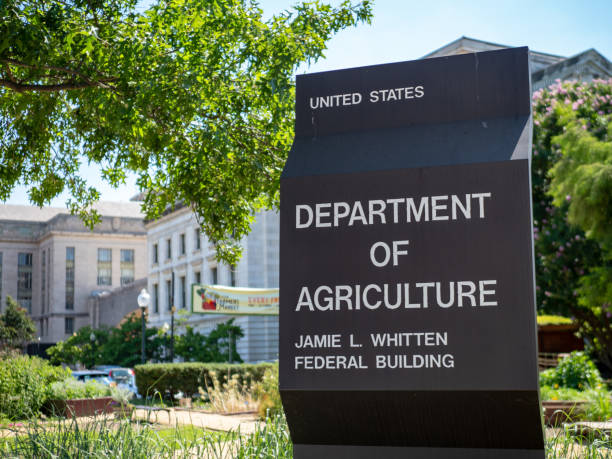
The United States Department of Agriculture (USDA) is a cabinet-level executive department of the federal government responsible for developing and executing policies related to:
- Agriculture and farming
- Food safety and nutrition
- Natural resource management
- Rural development
- Agricultural research
- International agricultural trade
Established in 1862 by President Abraham Lincoln, the USDA was created to support farmers, improve food production, and strengthen rural America.
President Lincoln famously referred to the USDA as “The People’s Department,” a title that still reflects its mission today.
A Brief History of the Department of Agriculture
Origins in the 19th Century
The USDA was founded during the Civil War, at a time when agriculture was the backbone of the American economy. Its early responsibilities included:
- Collecting agricultural data
- Distributing seeds
- Conducting basic research
By 1889, the Department of Agriculture was elevated to cabinet status, recognizing its national importance.
Expansion Through the 20th Century
Throughout the 20th century, the USDA expanded significantly, responding to:
- The Great Depression
- World Wars
- Industrialization of agriculture
- Population growth
Major programs such as farm subsidies, conservation initiatives, and food assistance programs emerged during this period.
The Modern USDA
By 2026, The Department of Agriculture has evolved into a multifaceted institution overseeing:
- Scientific research
- Environmental conservation
- Food assistance
- Global trade
- Rural infrastructure
Its influence extends far beyond American borders.
The Mission of the Department of Agriculture 2026
The USDA’s mission is broad but unified by a single goal: to enhance the quality of life for all Americans.
Its core mission areas include:
- Ensuring food security
- Promoting sustainable agriculture
- Supporting farmers and ranchers
- Protecting natural resources
- Strengthening rural communities
- Promoting global agricultural stability
Organizational Structure of the USDA
The Department of Agriculture is led by the Secretary of Agriculture, a cabinet-level official appointed by the President of the United States.
Under the Secretary, the USDA consists of multiple agencies and offices, each with specialized responsibilities.
Key Agencies Within the Department of Agriculture
Food and Nutrition Service (FNS)
The Food and Nutrition Service administers major food assistance programs, including:
- Supplemental Nutrition Assistance Program (SNAP)
- National School Lunch Program
- Women, Infants, and Children (WIC)
These programs serve millions of Americans each year.
Food Safety and Inspection Service (FSIS)
FSIS ensures the safety of:
- Meat
- Poultry
- Egg products
Inspectors monitor processing facilities and enforce labeling and safety standards.
External reference:
https://www.fsis.usda.gov
Agricultural Research Service (ARS)
The ARS is the USDA’s primary research arm, conducting scientific studies on:
- Crop improvement
- Livestock health
- Climate resilience
- Soil management
Natural Resources Conservation Service (NRCS)
NRCS works with farmers and landowners to:
- Protect soil and water resources
- Reduce erosion
- Promote conservation practices
Forest Service (USFS)
The Forest Service manages:
- National forests
- Grasslands
- Watersheds
It balances conservation, recreation, and resource use.
Rural Development
USDA Rural Development supports:
- Housing
- Infrastructure
- Broadband access
- Small businesses
These programs aim to revitalize rural economies.
Agriculture and Food Production in 2026
The Department of Agriculture 2026 oversees policies affecting every stage of food production, including:
- Crop farming
- Livestock production
- Fisheries
- Organic agriculture
The USDA supports farmers through:
- Crop insurance
- Disaster assistance
- Market development
- Research grants
Food Safety and Public Health
Food safety remains a top priority.
The USDA:
- Inspects processing facilities
- Enforces hygiene standards
- Coordinates food recalls
- Responds to food-borne illness outbreaks
These efforts protect public health and maintain consumer confidence.
External reference:
https://www.usda.gov/food-safety
Sustainability and Climate-Smart Agriculture
One of the most significant developments in The Department of Agriculture 2026 is its focus on sustainability.
Key initiatives include:
- Climate-smart farming practices
- Carbon sequestration programs
- Water conservation
- Renewable energy on farms
The USDA promotes techniques such as:
- Precision agriculture
- Integrated pest management
- Agroforestry
Conservation of Natural Resources
Through its agencies, the USDA manages millions of acres of public land.
Conservation efforts focus on:
- Wildlife habitat protection
- Soil health
- Forest restoration
- Watershed management
These initiatives support biodiversity and long-term food security.
Rural Development and Economic Growth
The USDA plays a crucial role in rural America by:
- Funding infrastructure projects
- Supporting rural housing
- Expanding broadband access
- Encouraging entrepreneurship
These investments help reduce urban-rural inequality.
Nutrition Assistance and Social Impact
Programs like SNAP and school meal initiatives ensure that:
- Low-income families have access to nutritious food
- Children receive healthy meals
- Communities remain resilient during economic downturns
Nutrition assistance is a cornerstone of The Department of Agriculture 2026.
International Trade and Global Influence
The USDA is deeply involved in:
- Negotiating agricultural trade agreements
- Enforcing international standards
- Supporting exporters
It also provides technical assistance to developing countries, improving global food security.
External reference:
Food and Agriculture Organization of the United Nations (FAO)
https://www.fao.org
Research, Innovation, and Technology
Scientific research drives modern agriculture.
USDA research supports:
- Drought-resistant crops
- Disease-resistant livestock
- Sustainable fertilizers
- Digital farming tools
Innovation ensures competitiveness and resilience.
Employment and Careers at the Department of Agriculture
The USDA employs tens of thousands of professionals, including:
- Scientists
- Economists
- Veterinarians
- Policy analysts
- Inspectors
- Field officers
Career paths range from research to administration.
For agriculture-related career guidance and opportunities, visit Linkinn.co.za.
Internal link:
https://www.linkinn.co.za
Why the Department of Agriculture Matters to the US, UK, and Canada
Although the USDA is a US agency, its influence extends internationally through:
- Trade relationships
- Food safety standards
- Research collaboration
- Climate initiatives
Policymakers, researchers, and businesses in the UK and Canada closely monitor USDA policies.
Challenges Facing the Department of Agriculture in 2026
Key challenges include:
- Climate volatility
- Global food insecurity
- Supply chain disruptions
- Labor shortages
- Technological inequality
The USDA continues to adapt its strategies to meet these challenges.
The Future of the Department of Agriculture
Looking ahead, The Department of Agriculture 2026 is expected to:
- Expand climate-smart initiatives
- Increase digital transformation
- Strengthen global partnerships
- Focus more on equity and inclusion
- Invest in next-generation agricultural science
Its role will only grow in importance.
Frequently Asked Questions (FAQ)
1. What is the Department of Agriculture responsible for?
The Department of Agriculture oversees agriculture, food safety, nutrition, conservation, and rural development.
2. When was the USDA established?
The USDA was established in 1862 by President Abraham Lincoln.
3. Why is the Department of Agriculture important in 2026?
It ensures food security, promotes sustainability, supports farmers, and strengthens rural economies.
4. Does the USDA influence global agriculture?
Yes. Through trade, research, and development programs, the USDA has global influence.
5. What careers are available at the USDA?
Careers include science, policy, inspection, economics, conservation, and administration.
6. Where can I learn more about agriculture careers?
You can explore agriculture-related opportunities and insights on Linkinn.co.za.
Final Thoughts: The Enduring Power of the Department of Agriculture
The Department of Agriculture 2026 represents more than a government institution. It is a pillar of national stability, economic growth, environmental stewardship, and global food security.
As agriculture faces unprecedented challenges and opportunities, the USDA’s role as a leader, innovator, and protector of public well-being has never been more vital.
For those interested in agriculture, policy, sustainability, or rural development, understanding the Department of Agriculture is essential—not just for today, but for the future of the global food system.