Proven Steps to Write a Powerful Curriculum Vitae (CV) in 2026 That Gets You Hired Faster
Introduction: Why Writing the Right CV in 2026 Matters More Than Ever
The global job market in 2026 is more competitive, digital, and automated than at any point in history. Employers across the United States, United Kingdom, and Canada receive hundreds or even thousands of applications for a single role. In most cases, your curriculum vitae (CV) determines whether you advance or get rejected.
Understanding how to write a curriculum vitae (CV) 2026 is no longer just about listing your experience. It is about strategy, clarity, relevance, and optimization for both human recruiters and Applicant Tracking Systems (ATS).
According to data from Harvard Business Review, recruiters spend an average of 6 to 8 seconds scanning a CV before deciding whether to continue reading. This means your CV must communicate value immediately.
This guide is designed to help you:
- Write a modern, professional CV
- Align your CV with 2026 hiring trends
- Increase interview callbacks
- Rank highly on Google for job seekers searching for CV guidance
1. What Is a Curriculum Vitae (CV)?
A curriculum vitae (CV) is a comprehensive professional document that outlines your:
- Education
- Work experience
- Skills
- Achievements
- Certifications
- Professional background
The term “curriculum vitae” is Latin for “course of life,” and it reflects the document’s purpose: to present your professional journey clearly and credibly.
In 2026, CVs are used extensively in:
- Academic roles
- Government positions
- International job applications
- Specialized professional fields
2. CV vs Resume: What’s the Difference in 2026?
Although often used interchangeably, a CV and a resume are not the same.
| CV | Resume |
|---|---|
| Detailed and comprehensive | Short and concise |
| Multiple pages allowed | Usually 1–2 pages |
| Common in UK, Canada, academia | Common in the US private sector |
| Includes publications and research | Focuses on work experience |
Understanding the difference is essential when learning how to write a curriculum vitae (CV) 2026 correctly.
External reference:
https://www.indeed.com/career-advice/resumes-cover-letters/cv-vs-resume
3. How Employers Review CVs in 2026
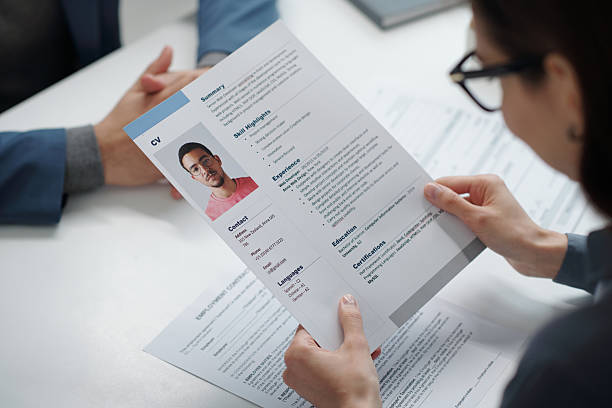
Most employers now use a two-stage screening process:
- Applicant Tracking Systems (ATS) scan CVs for keywords, formatting, and relevance.
- Human recruiters review shortlisted CVs for clarity, achievements, and cultural fit.
According to LinkedIn Talent Solutions, over 75% of large employers use ATS software.
External reference:
https://business.linkedin.com/talent-solutions
4. Core Principles of Writing a CV
When learning how to write a curriculum vitae (CV) 2026, follow these principles:
- Relevance over volume
- Clarity over complexity
- Evidence over claims
- Consistency in formatting
- Tailoring for each role
5. CV Structure Explained (Step-by-Step)
A strong CV follows a logical and professional structure:
- Contact Information
- Professional Summary or Objective
- Work Experience
- Education
- Skills
- Certifications
- Additional Sections
This structure improves readability and ATS compatibility.
6. Contact Information Section
Your contact information should be clear and professional.
Include:
- Full name
- Phone number
- Professional email address
- LinkedIn profile (recommended)
- City and country (optional)
Avoid unnecessary personal details such as marital status or ID numbers.
7. Professional Summary or Objective
This section sits at the top of your CV and is critical.
Professional Summary (Recommended)
A 3–4 line overview of:
- Your experience
- Key skills
- Career value
Example:
“Results-driven project manager with 8+ years of experience delivering complex infrastructure projects across North America.”
Career Objective (Optional)
Best for students or career changers.
8. Work Experience Section
This is the most important section when learning how to write a curriculum vitae (CV) 2026.
Format:
- Job title
- Company name
- Location
- Dates of employment
- Bullet points of responsibilities and achievements
Use Action Verbs:
- Led
- Managed
- Designed
- Implemented
- Increased
- Reduced
Quantify Achievements:
“Increased sales by 25% within 12 months.”
9. Education Section
List your education in reverse chronological order.
Include:
- Degree or qualification
- Institution name
- Graduation date
- Relevant coursework (optional)
- Honors or distinctions
10. Skills Section
Divide skills into categories:
Technical Skills
- Software
- Tools
- Programming languages
Soft Skills
- Communication
- Leadership
- Problem-solving
Languages
Include proficiency levels.
11. Certifications and Licenses
Certifications add credibility in 2026.
Include:
- Certification name
- Issuing organization
- Date obtained
- Expiry date (if applicable)
External reference:
https://www.coursera.org/articles/professional-certifications
12. Achievements, Awards, and Honors
This section strengthens your CV by showing recognition.
Include:
- Award title
- Issuing organization
- Date
13. Volunteer Experience
Volunteer work demonstrates:
- Social responsibility
- Transferable skills
- Leadership
Especially valuable for entry-level candidates.
14. Publications and Research (If Applicable)
Common in:
- Academic roles
- Research positions
- Medical and scientific fields
Include:
- Title
- Publication or conference
- Date
15. References: What to Include
Best practice in 2026:
“References available upon request.”
Only provide references if explicitly requested.
16. Formatting Tips for a Modern CV
- Length: 1–2 pages (most roles)
- Font: Calibri, Arial, or Helvetica
- Font size: 10–12 pt
- Clear headings
- Bullet points
- Plenty of white space
Avoid graphics that break ATS parsing.
17. ATS Optimization in 2026
To pass ATS systems:
- Use keywords from the job description
- Avoid tables and images
- Use standard headings
- Save as PDF or Word unless specified otherwise
External reference:
https://www.jobscan.co/blog/ats-resume/
18. Common CV Mistakes to Avoid
- Spelling and grammar errors
- Generic CVs for every job
- Overloading with irrelevant information
- Using unprofessional email addresses
- Poor formatting
19. CV Example Outline
John Doe
Project Manager
Professional Summary
Work Experience
Education
Skills
Certifications
Achievements
Volunteer Experience
References
20. Frequently Asked Questions (FAQ)
How long should a CV be in 2026?
One to two pages for most professionals. Academic CVs may be longer.
Should I tailor my CV for every job?
Yes. Tailored CVs significantly increase interview chances.
Is a CV different for the US, UK, and Canada?
Yes, but the core structure remains similar. Terminology and length may vary.
Where can I find CV templates and job opportunities?
You can access career resources, CV guidance, and verified opportunities at:
Internal link: https://www.linkinn.co.za
21. Final Thoughts: Your CV Is Your Career Passport
Learning how to write a curriculum vitae (CV) 2026 is one of the most valuable career skills you can develop. A strong CV opens doors, creates opportunities, and positions you competitively in a global job market.
Your CV is not just a document. It is your professional story.
For more career advice, CV tips, internships, learnerships, and job opportunities, visit:
Internal link: https://www.linkinn.co.za
This is how successful careers begin in 2026.