25 Powerful Insights in the Health & Safety Office Update 2026: Roles, Rules, Skills, and the Future of Workplace Safety
Introduction: Why the Health & Safety Office Update 2026 Matters More Than Ever
A Health & Safety Office UPDATE 2026 comes at a critical time for organizations worldwide. As workplaces evolve through automation, remote work, climate-related risks, and stricter regulations, the role of the Health & Safety Officer has expanded beyond compliance into strategy, leadership, and employee well-being.
In 2026, organizations are no longer judged solely on profitability. Regulators, investors, and employees increasingly assess companies on how effectively they protect workers’ health, safety, and mental well-being. This shift has elevated health and safety offices into core operational functions rather than administrative add-ons.
This comprehensive guide explains everything you need to know about A Health & Safety Office UPDATE 2026, including responsibilities, qualifications, legal frameworks, skills, career outlook, and global best practices relevant to the United States, United Kingdom, and Canada.
Understanding the Role of a Health & Safety Officer in 2026
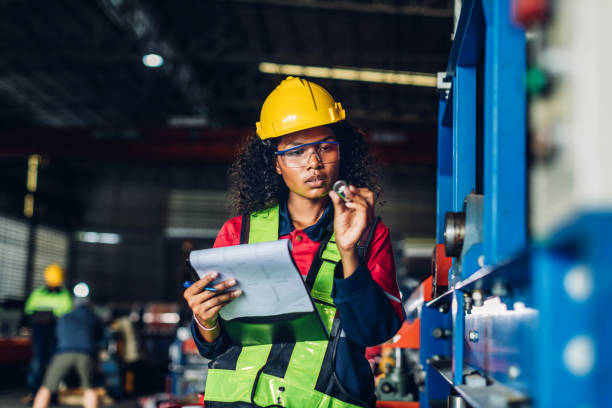
A Health & Safety Officer is responsible for ensuring that an organization:
- Complies with health and safety laws
- Identifies and mitigates workplace risks
- Promotes a proactive safety culture
- Protects employees, contractors, and visitors
Under A Health & Safety Office UPDATE 2026, this role has become more strategic, data-driven, and people-focused.
The Expanding Scope of Health & Safety Offices
Traditionally, health and safety offices focused on accident prevention and regulatory compliance. In 2026, their scope includes:
- Physical safety
- Occupational health
- Mental health and well-being
- Ergonomics
- Environmental health
- Emergency preparedness
- Contractor and supplier safety
This expanded mandate reflects global changes in how work is performed.
Key Responsibilities in the Health & Safety Office Update 2026
1. Risk Assessment and Hazard Identification
Risk assessment remains the foundation of A Health & Safety Office UPDATE 2026.
Health and Safety Officers must:
- Conduct regular workplace inspections
- Identify physical, chemical, biological, and ergonomic hazards
- Assess risk severity and likelihood
- Implement control measures using the hierarchy of controls
Risk assessments now increasingly use:
- Digital tools
- Data analytics
- Predictive modeling
External reference:
International Labour Organization (ILO)
https://www.ilo.org
2. Policy Development and Implementation
Health and safety officers develop and maintain policies that:
- Align with national legislation
- Reflect industry best practices
- Address emerging risks
Policies typically cover:
- Workplace safety rules
- PPE requirements
- Incident reporting
- Emergency procedures
- Remote and hybrid work safety
Under A Health & Safety Office UPDATE 2026, policies must also address psychological safety and mental health.
3. Training and Instruction
Training is a critical responsibility.
Health and Safety Officers:
- Design onboarding safety programs
- Deliver ongoing refresher training
- Educate employees on PPE use
- Train staff on emergency response
In 2026, training increasingly includes:
- E-learning platforms
- Virtual simulations
- Scenario-based training
4. Incident and Accident Investigation
When incidents occur, Health & Safety Officers must:
- Secure the scene
- Collect evidence
- Interview witnesses
- Identify root causes
- Recommend corrective actions
The goal is prevention, not blame.
Incident investigation is a legal requirement in many jurisdictions.
5. Compliance Monitoring and Auditing
A major focus of A Health & Safety Office UPDATE 2026 is continuous compliance.
Officers must:
- Monitor adherence to laws and regulations
- Conduct internal audits
- Prepare for external inspections
- Maintain compliance documentation
Failure to comply can result in fines, shutdowns, or criminal liability.
External reference:
Occupational Safety and Health Administration (OSHA – US)
https://www.osha.gov
6. Reporting and Data Analysis
Health & Safety Officers prepare reports that:
- Track incidents and near misses
- Identify trends
- Measure safety performance
- Support management decision-making
Modern health and safety reporting relies on dashboards and key performance indicators (KPIs).
7. Emergency Preparedness and Response
Emergency preparedness is a legal and ethical obligation.
Responsibilities include:
- Developing emergency response plans
- Conducting fire and evacuation drills
- Preparing for chemical spills or medical emergencies
- Coordinating with emergency services
Climate-related emergencies are increasingly included in emergency planning under A Health & Safety Office UPDATE 2026.
8. Promoting a Safety Culture
Health and safety officers play a leadership role in shaping workplace culture.
They:
- Engage employees at all levels
- Encourage hazard reporting
- Promote accountability
- Lead safety campaigns
A strong safety culture reduces accidents and improves productivity.
Qualifications Required in the Health & Safety Office Update 2026
Educational Requirements
Most employers require:
- A degree or diploma in Occupational Health and Safety
- Environmental Science
- Engineering
- Public Health
- Risk Management
Some roles accept equivalent experience.
Professional Certifications
Certifications enhance credibility and employability.
Common certifications include:
- NEBOSH (UK and international)
- IOSH Managing Safely
- OSHA certifications (US)
- Canadian Registered Safety Professional (CRSP)
These qualifications are increasingly standard under A Health & Safety Office UPDATE 2026.
External reference:
Institution of Occupational Safety and Health (IOSH)
https://www.iosh.com
Essential Skills for Health & Safety Officers in 2026
Attention to Detail
Identifying hazards requires precision and vigilance.
Communication Skills
Officers must communicate clearly with:
- Employees
- Management
- Regulators
- Contractors
Strong communication supports compliance and engagement.
Analytical and Problem-Solving Skills
Health and safety work involves:
- Analyzing incident data
- Interpreting regulations
- Designing practical solutions
Leadership and Influence
Health & Safety Officers must influence behavior without always having direct authority.
Leadership is central to A Health & Safety Office UPDATE 2026.
Digital and Technical Skills
Modern safety management uses:
- Safety management software
- Incident reporting systems
- Data analytics tools
Digital literacy is now essential.
Legal Frameworks Shaping Health & Safety in 2026
United States
Health and safety are regulated primarily by OSHA.
Key obligations include:
- Providing a safe workplace
- Reporting serious incidents
- Maintaining records
United Kingdom
The Health and Safety Executive (HSE) enforces:
- The Health and Safety at Work Act
- Risk assessment requirements
- Employer duty of care
External reference:
Health and Safety Executive (UK)
https://www.hse.gov.uk
Canada
Provincial and federal regulations govern health and safety.
Employers must:
- Identify hazards
- Train workers
- Consult safety committees
Mental Health and Well-Being: A Major Focus in 2026
One of the biggest shifts in A Health & Safety Office UPDATE 2026 is the formal integration of mental health.
Health & Safety Officers now:
- Address workplace stress
- Promote work-life balance
- Support mental health initiatives
- Reduce burnout and fatigue
This aligns with global well-being standards.
Health & Safety Careers and Job Outlook
Demand for Health & Safety Officers continues to grow due to:
- Stricter regulations
- Increased corporate accountability
- Complex work environments
Industries with high demand include:
- Construction
- Manufacturing
- Healthcare
- Energy
- Logistics
- Mining
- Corporate offices
For current opportunities, learnerships, and career guidance, visit Linkinn.co.za.
Internal link:
https://www.linkinn.co.za
Salary and Career Progression
Health & Safety career paths include:
- Safety Officer
- Health & Safety Manager
- Risk Manager
- Compliance Director
- Environmental, Health & Safety (EHS) Leader
Salaries vary by country, industry, and certification level.
Common Challenges Facing Health & Safety Offices in 2026
- Adapting to new regulations
- Managing remote and hybrid work risks
- Addressing mental health issues
- Budget constraints
- Resistance to change
Effective leadership helps overcome these challenges.
Technology and the Future of Health & Safety
Emerging technologies shaping A Health & Safety Office UPDATE 2026 include:
- Wearable safety devices
- AI-driven risk prediction
- Digital safety audits
- Real-time monitoring systems
Technology enhances prevention rather than replacing human judgment.
Why Health & Safety Matters to Business Performance
Strong health and safety management:
- Reduces accidents and downtime
- Improves employee morale
- Enhances employer reputation
- Reduces legal and financial risk
Organizations with robust safety systems consistently outperform peers.
Frequently Asked Questions (FAQ)
1. What is A Health & Safety Office UPDATE 2026?
It refers to the evolving role, responsibilities, and standards governing health and safety officers in 2026.
2. Is a Health & Safety Officer legally required?
Many industries legally require designated safety officers or representatives.
3. What qualifications are needed to become a Health & Safety Officer?
A relevant degree or diploma plus certifications such as NEBOSH or OSHA are commonly required.
4. Is health and safety a good career in 2026?
Yes. Demand is strong globally due to regulatory pressure and workplace complexity.
5. Does health and safety include mental health?
Yes. Mental health and well-being are core components under 2026 standards.
6. Where can I find health and safety jobs or training?
You can explore health and safety careers and opportunities on Linkinn.co.za.
Final Thoughts: The Importance of the Health & Safety Office in 2026
A Health & Safety Office UPDATE 2026 highlights a profession that is more relevant, influential, and impactful than ever before. Health and Safety Officers are no longer just compliance monitors—they are strategic leaders safeguarding people, productivity, and organizational reputation.
As workplaces continue to evolve, those who invest in strong health and safety systems will be better positioned to succeed in an increasingly complex world.
For updates, training opportunities, and career guidance in health and safety, visit Linkinn.co.za, your trusted platform for professional growth in 2026 and beyond.