Cleaning Learnership Programme 2026: 19 Powerful Steps to Build a Career, Earn Skills, and Win Job Opportunities
Cleaning Learnership Programme 2026 is one of the most accessible and practical pathways for people looking to enter the workforce, gain real-world experience, and build a long-term career in facilities management, hospitality, healthcare, or commercial services. Whether you’re a school graduate, career changer, or job seeker, this guide will walk you through everything you need to know — from what a cleaning learnership is, to how to apply successfully, to job prospects and industry trends.
By the end of this article, you’ll understand:
- What a Cleaning Learnership Programme is
- Why it matters in 2026
- Eligibility criteria
- How to find opportunities
- How to prepare an application
- Tips to ace the interview
- Where jobs are available afterward
LET’S DIVE IN
Introduction
Are you searching for a practical, skills-based opportunity that leads to real work experience and job prospects? The Cleaning Learnership Programme 2026 might be exactly what you’re looking for.
With global industries like hospitality, healthcare, and facilities management expanding rapidly, there is increasing demand for trained, certified cleaning professionals who can deliver high standards of service and safety.
In the wake of heightened hygiene expectations — accelerated by public health awareness since the COVID-19 pandemic — employers are placing more value than ever on trained cleaning personnel.
According to Grand View Research, the global commercial cleaning services market was valued at over USD $287 billion in 2022 and is expected to continue growing at a compound annual growth rate (CAGR) above 6% through 2030. (External reference: https://www.grandviewresearch.com)
This means opportunities through learnerships and beyond are strong in 2026 and beyond.
SECTION 1 — What Is a Cleaning Learnership Programme?
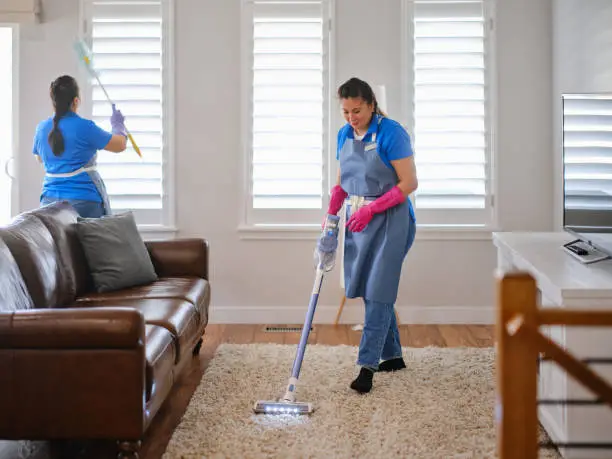
Cleaning Learnership Programme 2026
This model is based on the internationally recognised learnership concept used in countries such as South Africa, but similar training programmes exist globally, including apprenticeships, work-integrated learning, and vocational training in the US, UK, and Canada.
Learnerships provide:
- Practical cleaning skills
- Health and safety training
- Workplace experience
- Certification
- Job readiness
Think of a learnership as a bridge between education and employment.
Why a Cleaning Learnership is Valuable in 2026
The world has changed how it thinks about cleanliness and hygiene. Clean facilities aren’t just a luxury; they’re essential to public safety, trust, and operational compliance.
Key reasons the Cleaning Learnership Programme 2026 is valuable:
- Employers require trained professionals
- Certification improves job prospects
- Work experience beats theoretical knowledge
- Hygiene standards are legally enforced in many sectors
Whether you’re entering the job market for the first time or changing careers, this pathway is both practical and in demand.
SECTION 2 — Who Should Consider a Cleaning Learnership?
Cleaning learnerships aren’t just for one type of candidate. They provide value across diverse groups:
1. School Leavers
Young people seeking their first real work experience often struggle to find entry-level jobs without experience. A learnership provides structured training and a qualification.
2. Career Changers
Individuals moving out of other industries (e.g., retail, hospitality, or tourism) can transition smoothly into cleaning and facilities services.
3. Job Seekers
People who have been unemployed or underemployed may find this is a way to gain skills and enter industries that value practical capability.
4. Immigrants or New Residents
Having a crash course and certification in cleaning empowers you to compete more effectively in job markets.
5. Employers Looking to Upskill Staff
Some programmes allow employers to sponsor existing staff to upgrade their skills.
SECTION 3 — Core Modules & Skills You’ll Learn
In a typical Cleaning Learnership Programme 2026, expect to be trained in areas like:
1. Health and Safety in the Workplace
Understanding how to reduce hazards, avoid injuries, and comply with legal requirements.
2. Cleaning Chemical Knowledge
Proper handling of detergents, sanitizers, disinfectants, and PPE.
3. Surface and Material Cleaning Techniques
Different surfaces require different approaches — from ceramic floors to glass, carpets to stainless steel.
4. Infection Control Standards
Especially relevant in healthcare, hospitality, and public services.
5. Waste Management Practices
Environmentally responsible disposal, recycling, and segregation.
6. Teamwork and Communication
Professional communication with supervisors, clients, and team members.
7. Time and Task Management
Prioritising work effectively and efficiently.
Modules vary by country and provider, but these core skills are standard in most programmes.
SECTION 4 — Eligibility for Cleaning Learnership Programme 2026
Eligibility varies by provider and country, but common criteria include:
1. Minimum Age
Often 18 years or older.
2. Educational Requirements
Basic secondary education (high school certificate or equivalent) is usually required, though not always mandatory.
3. Health Clearance
Some programmes require fitness for physical work and proper immunisations, especially if placed in healthcare environments.
4. Legal Right to Work
Proof of residency or work permit, depending on jurisdiction.
Before applying, always check the specific admission criteria of the programme you want to join.
SECTION 5 — How to Find Cleaning Learnership Programme 2026 Opportunities
Here are trusted ways to search:
Official Government Portals
Many countries list learnerships and skills programmes on national career portals.
- United States: https://www.careeronestop.org
- United Kingdom: https://www.gov.uk/find-apprenticeship
- Canada: https://www.jobbank.gc.ca
These portals list vocational training, apprenticeships, and related opportunities.
Internal Resource
For learners and job seekers in South Africa or users looking for aggregated opportunities, you can use Linkinn.co.za (internal link) — a searchable platform for learnerships, internships, and skills programmes.
Example Internal Link Line:
Visit https://linkinn.co.za to explore updated listings for cleaning learnerships and related opportunities across industries.
Job Boards and Recruitment Platforms
- Indeed (https://www.indeed.com)
- LinkedIn Jobs (https://www.linkedin.com/jobs)
- Glassdoor (https://www.glassdoor.com)
Use search keywords such as:
- “Cleaning learnership 2026”
- “Cleaning training programme”
- “Facilities cleaning apprenticeship”
Training Providers and Institutes
Some private vocational colleges and institutions offer accredited programmes. Always verify that the qualification is recognised by relevant authorities (e.g., awarding bodies, accrediting agencies).
SECTION 6 — Step-by-Step: How to Apply for Cleaning Learnership Programme 2026
Applying successfully requires planning. Here’s how to do it well.
Step 1 — Prepare a Clean CV or Resume
Make sure your CV includes:
- Contact details
- Education history
- Any work or volunteer experience
- Skills relevant to cleaning or customer service
Example skills:
- Time management
- Attention to detail
- Safety awareness
- Communication
Optional sections:
- Languages
- Certifications
- References
Step 2 — Write a Targeted Cover Letter
Your cover letter should:
- Introduce yourself
- Explain interest in the programme
- Highlight relevant strengths
- Express a willingness to learn
Keep it concise and professional.
Step 3 — Collect Supporting Documents
Supporting documents may include:
- ID or passport
- Academic certificates
- Medical clearance (if required)
- References or testimonials
Have these ready before you start the application process.
Step 4 — Apply Through the Correct Channel
Depending on the provider:
- Online portal submission
- Email application
- In-person at training centre
Follow instructions carefully.
Step 5 — Track Your Applications
Use a spreadsheet or notes to track:
- Provider
- Date applied
- Status
- Follow-up dates
Following up demonstrates initiative and organisation.
SECTION 7 — What Happens After You Apply
Once you submit your application, the hiring or training provider will usually follow these steps:
Application Screening
They verify eligibility, documents, and completeness.
Interviews or Assessment
Some programmes may include a short interview or skills assessment.
Offer and Contract
Successful applicants receive an offer letter and programme agreement.
Induction & Orientation
New learners receive orientation on expectations and schedules.
Each provider has its own timeline, so patience and proactive communication help.
SECTION 8 — Salary and Benefits You Can Expect
Cleaning learnerships may provide:
Stipends
Many learnership programmes offer a modest allowance or stipend while training.
Certifications
Upon completion, learners often receive certificates endorsed by recognised authorities.
Work Experience
Practical experience that boosts employability.
Entry into Permanent Roles
Some learners transition directly into jobs after completion.
Salary Expectations After Completion
Salaries vary across countries and industries.
United States
Entry-level cleaners earn approximately $25,000 to $34,000 USD annually (Bureau of Labor Statistics estimates).
Experienced supervisors and specialised roles can earn up to $40,000+ USD.
External reference: https://www.bls.gov
United Kingdom
UK Office for National Statistics data indicates cleaning operatives earn between £18,000 and £24,000 annually, with supervisory roles higher.
External reference: https://www.ons.gov.uk
Canada
Canadian wage data suggests general cleaners earn between CAD $30,000 and $40,000, with opportunities for advancement into supervisory or specialised roles.
External reference: https://www.jobbank.gc.ca
SECTION 9 — Career Paths After Your Learnership
Completing a Cleaning Learnership Programme 2026 opens doors to diverse career possibilities.
Here are some paths you may pursue:
1. Facilities Management
Overseeing multiple cleaning and maintenance teams.
2. Hospital Environmental Services
Specialised cleaning in healthcare environments.
3. Hospitality & Hotel Services
Supervising cleanliness in hotels, resorts, and venues.
4. Green Cleaning Specialist
Focusing on sustainable practices and eco-friendly methods.
5. Training and Mentorship Roles
Teaching new learners or coordinating programmes.
With experience and additional training, your career options expand significantly.
SECTION 10 — Top Skills Employers Look For in Cleaning Roles
Employers value:
Attention to Detail
Cleaning and hygiene require meticulous work.
Time Management
Efficiently completing tasks on schedule.
Professionalism
Interacting respectfully with clients and teams.
Health & Safety Knowledge
Understanding hazards, PPE, and compliance.
Adaptability
Working in diverse environments.
These skills improve your performance and long-term career prospects.
SECTION 11 — Frequently Asked Questions (FAQ)
Q1 — What is a Cleaning Learnership Programme 2026?
A cleaning learnership is a structured training programme combining theory and workplace experience, leading to a recognised qualification and job-readiness.
Q2 — Who can apply for a cleaning learnership?
School leavers, job seekers, career changers, and anyone meeting eligibility criteria in their region can apply.
Q3 — Do I need prior experience?
Not always. Many programmes are designed for beginners and provide hands-on training.
Q4 — Are learnerships paid?
Many cleaning learnerships provide stipends or allowances during the training period. Details vary by provider.
Q5 — How long does the programme take?
Learnership duration ranges from several months up to 12–24 months, depending on the programme and qualification level.
Q6 — Will I get a job after the learnership?
Completion increases your employability significantly, and many learners secure permanent roles.
SECTION 12 — Expert Tips to Succeed in Your Learnership
Tip 1 — Be Professional From Day One
Arrive on time, follow instructions, and show initiative.
Tip 2 — Ask Questions
Don’t be afraid to seek clarification — it demonstrates engagement and commitment.
Tip 3 — Take Notes
Record procedures, best practices, and tips from trainers.
Tip 4 — Network
Connect with other learners and industry professionals to expand your career opportunities.
SECTION 13 — Cleaning Industry Trends in 2026
Here are key trends shaping demand:
1. Sustainability
Green cleaning products and eco-friendly practices are increasingly sought after.
2. Automation
Emerging technologies, such as robotic cleaning tools, enhance efficiency — but human skills remain essential.
3. Healthcare Standards
Post-pandemic protocols have elevated hygiene requirements in medical and public spaces.
4. Service Quality Expectations
Clients expect higher standards in commercial and residential environments.
This means the Cleaning Learnership Programme 2026 is not just relevant — it’s future-proof.
SECTION 14 — Conclusion
The Cleaning Learnership Programme 2026 offers a compelling opportunity to gain real skills, earn while you learn, and launch a career that’s in demand globally. Whether you’re seeking your first job or transitioning into a new field, this pathway combines training, experience, and certification — giving you a tangible advantage.
From understanding eligibility and applications to learning key skills, finding prospects, and advancing your career, this guide has walked you through everything you need to know.
Now it’s your turn.
Prepare your application, find the right programme, and take the first step toward a meaningful and sustainable career.
Your future starts with the Cleaning Learnership Programme 2026.